
Key Takeaways
- Sustainable Aviation Fuel (SAF) is a renewable, low-carbon alternative to traditional jet fuel, made from feedstocks like plant oils, waste materials, and algae.
- SAF can reduce lifecycle carbon emissions by up to 80%, significantly lowering the aviation sector’s environmental impact.
- It meets the same safety and technical standards as conventional jet fuel and can be used in existing aircraft engines without modifications.
- Production methods include advanced processes like HEFA, Fischer-Tropsch, and Alcohol-to-Jet technologies, ensuring SAF meets strict aviation specifications.
- Scaling SAF faces challenges, including high production costs, limited feedstock availability, and inconsistent global policies, requiring investment and regulatory support.
- SAF is key to aviation’s sustainable future, with advancements in technology, infrastructure expansion, and global policy alignment driving its adoption.
Flying has always felt like a marvel to me, but I can’t ignore the environmental impact it leaves behind. With climate change becoming an urgent global issue, the aviation industry is under pressure to find greener solutions. That’s where sustainable aviation fuel (SAF) comes in—a game-changer that’s redefining how we think about air travel.
Unlike traditional jet fuel, SAF is designed to reduce carbon emissions while still keeping planes in the sky. It’s made from renewable resources like plant oils, waste materials, and even algae, offering a cleaner, more sustainable alternative. But what exactly makes it different, and why is it so important for the future of aviation? Let’s dive into the basics of this innovative fuel and how it’s shaping the way we fly.
What Is Sustainable Aviation Fuel?
Sustainable aviation fuel, or SAF, is a type of biofuel specifically designed for aircraft. It’s produced from renewable resources like cooking oil, animal fats, municipal waste, woody biomass, or algae. Unlike conventional jet fuel derived from fossil fuels, SAF lowers greenhouse gas emissions significantly, offering a more sustainable option for air travel.
SAF meets the same technical and safety standards as traditional jet fuel, enabling its direct use in existing aircraft engines without modifications. It’s typically blended with conventional fuel, with blend ratios of up to 50% approved for commercial aviation.
SAF reduces lifecycle carbon emissions by up to 80% compared to traditional jet fuel when using sustainable feedstocks. Lifecycle emissions account for production, transportation, and combustion processes. This reduction helps the aviation sector meet global emission targets set by organizations like the International Air Transport Association (IATA).
Some notable examples of SAF production pathways include Hydroprocessed Esters and Fatty Acids (HEFA), Fischer-Tropsch Synthesis (FT), and Alcohol-to-Jet (ATJ). Each pathway relies on different feedstocks and conversion processes, contributing to its versatility in scaling SAF production.
How Is Sustainable Aviation Fuel Produced?
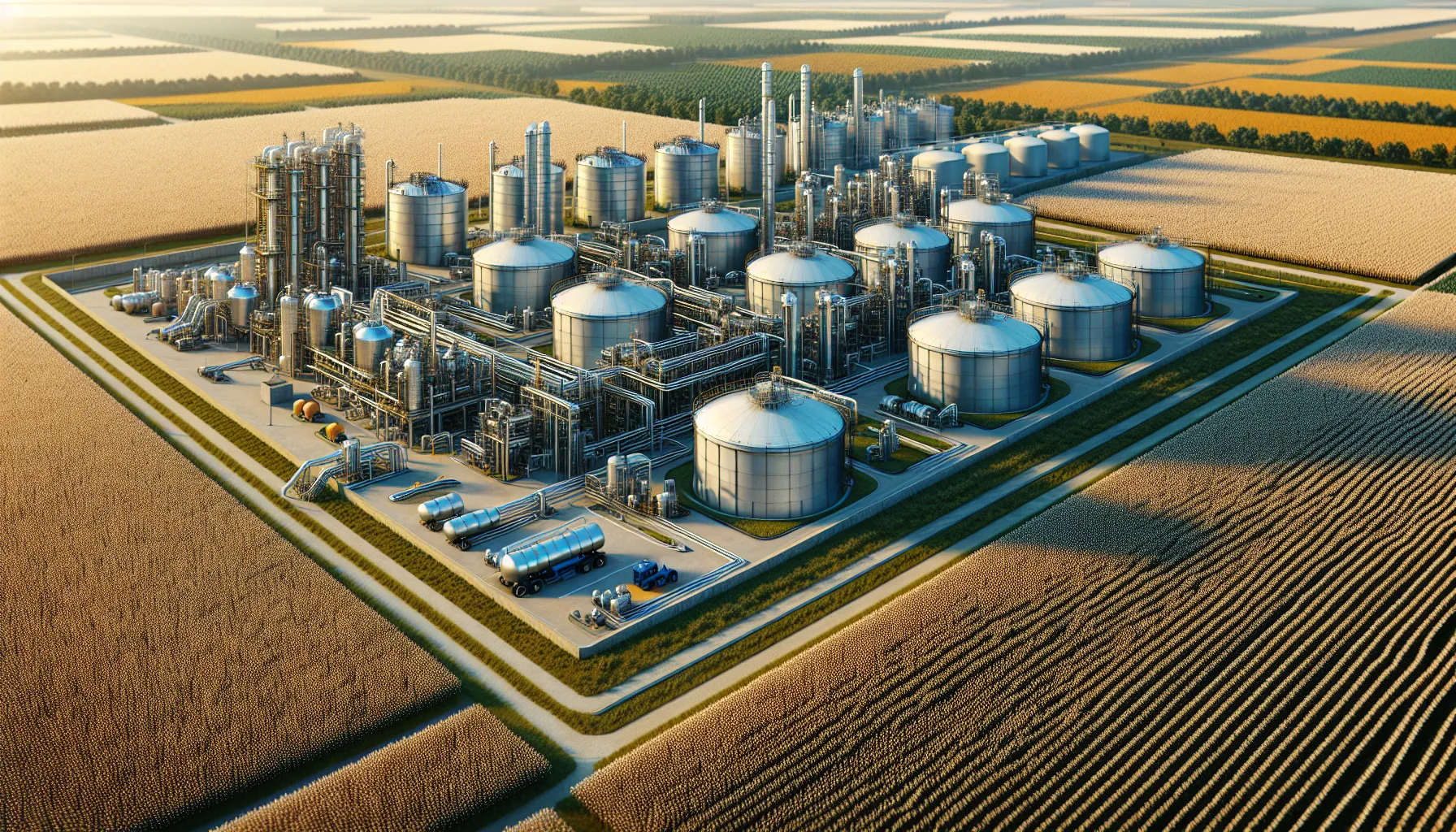
Sustainable aviation fuel (SAF) is created using renewable feedstocks and advanced technological processes. These methods ensure SAF meets stringent safety standards and significantly reduces emissions compared to traditional jet fuels.
Feedstocks Used In Production
SAF is derived from diverse renewable feedstocks. Common sources include plant oils (e.g., soybean and camelina), used cooking oil, animal fats, and municipal solid waste. Various types of waste biomass like forestry residues, agricultural by-products, or algae are also utilized. Using non-edible resources lowers competition with food supply chains and supports waste recycling.
Key Production Processes
SAF production involves multiple processes tailored to convert feedstocks into jet fuel. Hydroprocessed Esters and Fatty Acids (HEFA) effectively process lipids into fuel through hydrogenation. Fischer-Tropsch (FT) synthesis converts solid biomass or municipal waste into fuel by gasifying feedstocks and reforming them. Alcohol-to-Jet (ATJ) technology transforms ethanol or butanol into jet-grade hydrocarbons. Each pathway ensures SAF meets rigorous technical specifications for aviation safety and performance.
Benefits Of Sustainable Aviation Fuel

Sustainable aviation fuel (SAF) offers several advantages, transforming air travel into a more environmentally and economically sustainable industry. Its adoption supports global emission reduction goals while creating new opportunities across sectors.
Environmental Advantages
SAF significantly reduces greenhouse gas emissions over its lifecycle, cutting emissions by up to 80% compared to traditional jet fuel. This reduction aids in mitigating the aviation sector’s environmental footprint.
By utilizing renewable feedstocks such as waste materials and plant residues, SAF promotes recycling and reduces reliance on fossil fuels. For example, converting used cooking oil or municipal waste into fuel minimizes waste sent to landfills. SAF also decreases particulate matter emissions, improving air quality around airports.
Economic Opportunities
SAF production fosters job creation in industries like agriculture, waste management, and biofuel manufacturing. For instance, advanced SAF facilities drive employment while supporting local economies.
Developing SAF reduces dependence on volatile fossil fuel markets, ensuring a more stable energy supply for the aviation sector. By investing in SAF infrastructure, companies can diversify energy sources and enhance long-term operational resilience.
Challenges In Scaling Sustainable Aviation Fuel

Scaling sustainable aviation fuel (SAF) to meet the growing demand in the aviation industry presents several challenges. These obstacles span technological, regulatory, and economic factors that complicate large-scale adoption.
Technological Barriers
Producing SAF at scale involves complex processes and advanced technology. Current production methods, such as HEFA, FT synthesis, and ATJ technology, have limited scalability due to high costs and reliance on specific feedstocks. For instance, HEFA depends on oils and animal fats, which aren’t available in large quantities without impacting other industries. Additionally, many production facilities lack the infrastructure to handle these feedstocks efficiently or transition to new technologies.
Research and development are crucial for overcoming these challenges. Advances in technology could enable alternative feedstock use, such as algae or synthetic fuels, and improve efficiency. Integrating SAF production into existing refinery systems might solve some capacity constraints, but the transition requires significant investment and technical adaptations.
Policy And Regulation Hurdles
Policy and regulatory frameworks play a significant role in SAF’s scalability. Inconsistent global policies regarding biofuel incentives, emission reduction mandates, and tax benefits create uncertainty for investors and producers. For example, while the EU promotes SAF use through strict emission caps and subsidies, other regions lack similar incentives, limiting global market growth.
Achieving certification for SAF also adds complexity. SAF must meet strict international aviation standards, like ASTM D7566, to ensure safety and compatibility with existing engines. This certification process is time-intensive and costly, often delaying new fuels’ entry into the market. Collaborative international efforts between governments and aviation stakeholders could harmonize policies and streamline certification, accelerating SAF adoption.
Future Of Sustainable Aviation Fuel
Sustainable aviation fuel (SAF) holds the potential to revolutionize the aviation industry’s environmental footprint. With advancements in technology and increasing investments, the future of SAF looks promising as a viable solution to meet global emissions reduction goals across aviation sectors.
Research efforts are driving innovation in SAF production pathways. Technologies like Power-to-Liquid (PtL), which synthesizes fuel using captured carbon dioxide and renewable electricity, are emerging as game-changers for scalability. Continuous development of feedstock varieties, including algae and municipal solid waste, ensures diversification and reduces dependency on limited resources.
Demand for SAF is likely to soar as airlines incorporate it into their sustainability commitments. For example, industry giants like Boeing and Airbus are collaborating on 100% SAF compatibility for future aircraft models. These initiatives align with targets outlined by the International Civil Aviation Organization (ICAO) to reduce aviation emissions by 50% by 2050.
Global policies may drive SAF adoption further. As governments set stricter emission regulations and incentivize biofuel production, stakeholders could experience reduced economic barriers. For instance, regions like the European Union are introducing SAF mandates to ensure consistent integration into fuel supply chains.
Infrastructure expansion will play a key role. Establishing SAF production facilities close to feedstock sources minimizes transportation costs and encourages local economic growth. Partnerships between airports, manufacturers, and fuel providers could streamline logistics, improving SAF accessibility on a global scale.
Achieving cost parity with traditional jet fuel remains a challenge but might be addressable through economies of scale and investment in green energy. As SAF production volumes increase, costs could decline, making it a more attractive option for airlines and operators.
Conclusion
Sustainable aviation fuel offers a promising path toward a greener future for air travel. Its ability to significantly cut emissions while utilizing renewable resources makes it a key player in addressing the environmental challenges of the aviation industry. Though hurdles like cost, infrastructure, and policy alignment remain, the progress being made is inspiring.
I believe SAF represents more than just a fuel—it’s a step toward a more sustainable planet. With continued innovation, collaboration, and commitment, we can reimagine the way we fly and take meaningful strides toward a cleaner, more sustainable aviation industry.
Frequently Asked Questions
What is Sustainable Aviation Fuel (SAF)?
Sustainable Aviation Fuel (SAF) is a biofuel made from renewable resources like plant oils, used cooking oil, algae, and waste materials. It is designed to reduce carbon emissions while meeting the same performance and safety standards as traditional jet fuel.
How does SAF benefit the environment?
SAF can reduce lifecycle carbon emissions by up to 80% compared to fossil-based jet fuel. It also improves air quality by lowering particulate matter emissions and promotes waste recycling.
What are the main feedstocks for SAF production?
Common feedstocks for SAF include plant oils (e.g., soybean and camelina), used cooking oil, animal fats, municipal solid waste, woody biomass, and algae.
Is SAF compatible with existing aircraft engines?
Yes, SAF can be used directly in existing aircraft engines without modifications as it meets the same technical and safety standards as traditional jet fuel.
What are the challenges in scaling SAF production?
Challenges include high production costs, limited availability of feedstocks, lack of infrastructure, and the need for substantial investments. Regulatory and certification hurdles also slow large-scale adoption.
How is SAF produced?
SAF is made using advanced processes like Hydroprocessed Esters and Fatty Acids (HEFA), Fischer-Tropsch (FT) synthesis, and Alcohol-to-Jet (ATJ) technology, which convert renewable feedstocks into jet fuel.
What is the future potential of SAF?
With advancements in technology, SAF has the potential to become a sustainable solution for aviation. Innovations like Power-to-Liquid (PtL) technology and increased global investments are expected to enhance SAF production and affordability.
Why is SAF adoption important for the aviation industry?
SAF helps the aviation sector reduce its environmental footprint, meet global emission targets, and transition toward a more sustainable future. It also reduces dependence on volatile fossil fuel markets.
Are airlines currently using SAF?
Yes, many airlines are already incorporating SAF into their fuel mix to reduce emissions. Companies like Boeing and Airbus are also working on 100% SAF-compatible aircraft models.
What role do global policies play in SAF adoption?
Global policies, such as emission regulations and SAF mandates, encourage investment and production. Harmonized regulations can simplify certification processes and accelerate SAF adoption worldwide.