
Key Takeaways
- Aviation Defined: Aviation encompasses the design, operation, and use of aircraft, serving purposes such as passenger travel, cargo transport, military missions, and more.
- Global Impact: The aviation industry plays a vital role in connecting nations, driving global trade, facilitating tourism, and enhancing cultural exchange.
- Rich History: From ancient flight concepts to modern jet propulsion, aviation has evolved through milestones like the Wright brothers’ first flight, enabling technological and commercial advancements.
- Key Components: The aviation ecosystem relies on aircraft types, air traffic control systems, and strict regulations to ensure safe and efficient air travel.
- Challenges: Environmental impacts, safety, security, and operational efficiency remain significant hurdles that the industry continuously addresses through innovation and sustainability efforts.
- Economic Contribution: Aviation supports millions of jobs worldwide, contributes trillions to global GDP, and fosters international business and humanitarian aid.
When I think about aviation, I’m instantly drawn to the magic of flight. It’s incredible how humans have mastered the skies, transforming what once seemed impossible into a daily reality. From the hum of engines at bustling airports to the thrill of soaring above the clouds, aviation has reshaped how we connect with the world.
At its core, aviation is all about the design, operation, and use of aircraft. But it’s so much more than just planes and pilots—it’s an industry that fuels global travel, trade, and innovation. Whether it’s a quick domestic flight or a cargo plane delivering goods across oceans, aviation touches our lives in ways we often take for granted.
What Is Aviation
Aviation refers to the design, development, operation, and use of aircraft for various purposes. It encompasses everything from commercial flights and private travel to cargo transport and military operations. This vast field includes airplanes, helicopters, drones, and more.
The aviation industry connects people, goods, and cultures across the globe. Airports, airlines, air traffic control systems, and regulatory agencies work together to ensure safe and efficient air travel. This dynamic sector not only supports global trade but also fosters tourism and international collaboration.
Innovations in aviation continue to push boundaries. Advances in aeronautics, fuel efficiency, and safety technology improve performance and sustainability. From supersonic jets to electric planes, aviation constantly evolves to meet the demands of a changing world.
History Of Aviation
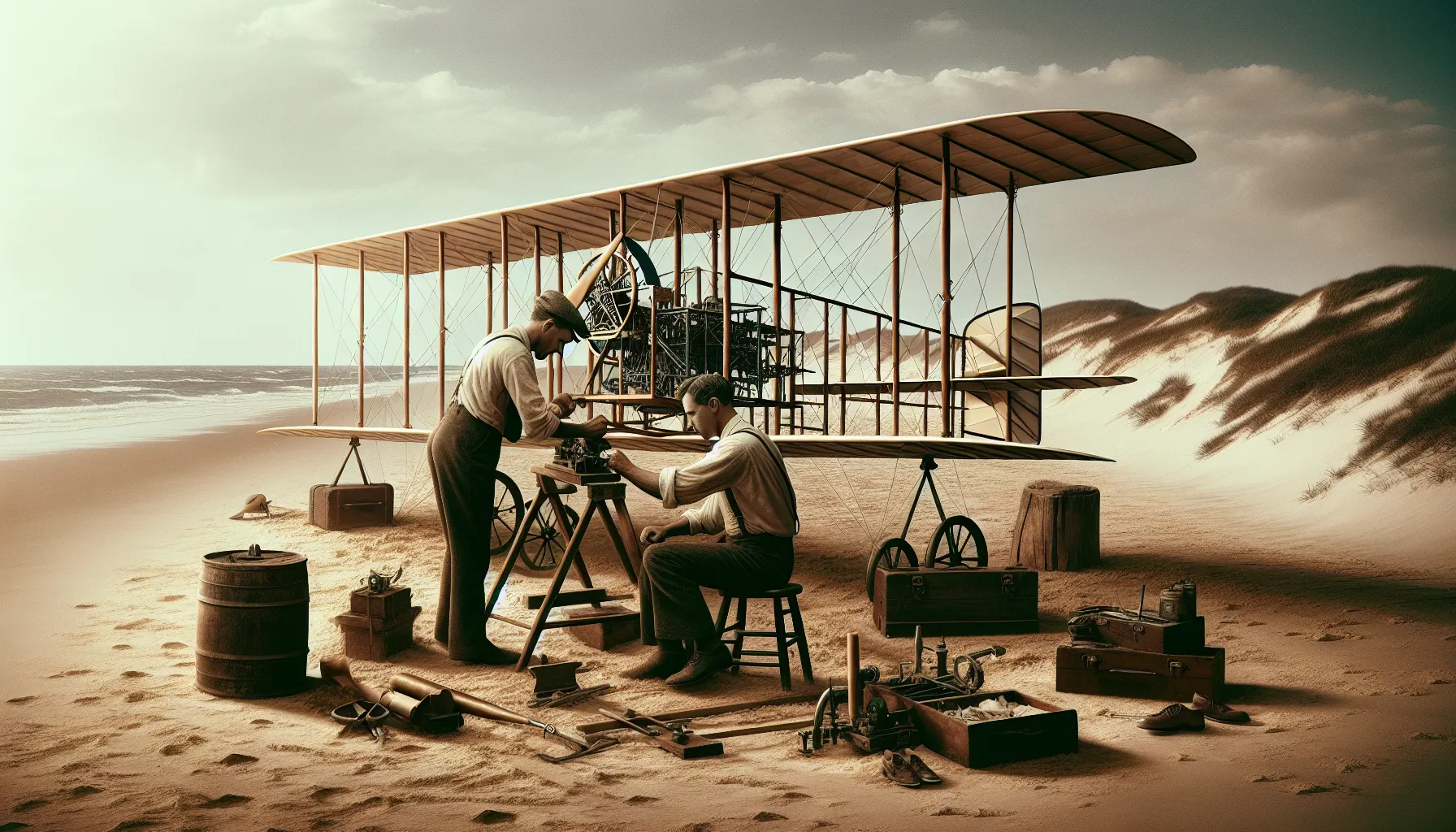
Aviation has a rich history marked by innovation and determination, shaping how humans conquer the skies. From ancient flight attempts to state-of-the-art technology, humanity’s journey into the air has been transformative.
Early Innovations In Flight
Early concepts of flight often drew inspiration from nature. Ancient civilizations, such as the Greeks and Chinese, explored flight with devices like kites and primitive gliders. Around 1485, Leonardo da Vinci sketched flying machines based on bird anatomy, showcasing advanced ideas centuries ahead of his time. However, controlled and sustained flight only became possible in the late 18th century with the Montgolfier brothers’ first manned hot air balloon flight in 1783.
The 19th century marked significant progress. Innovators like George Cayley, who built the first glider capable of carrying a person in 1853, laid the foundation for modern flight. Their experiments demonstrated necessary principles such as lift and aerodynamics, fueling further developments.
The Evolution Of Modern Aviation
Modern aviation began with the Wright brothers. On December 17, 1903, their Wright Flyer achieved the first powered, controlled flight in Kitty Hawk, North Carolina. This milestone changed travel and sparked the growth of aircraft technology. By World War I, aviation developed rapidly, as military demands accelerated designs for speed, stability, and range.
The 1920s and 1930s introduced commercial aviation. Companies like Boeing emerged, and airlines began operating regularly scheduled passenger flights. The invention of pressurized cabins in the 1930s allowed air travel at higher altitudes, reducing turbulence and improving safety.
After World War II, jet propulsion revolutionized aviation. In 1952, the de Havilland Comet became the first commercial jet airliner. This era saw rapid advancements, including improved aerodynamics and navigational systems. By the late 20th century, wide-body planes like the Boeing 747 enabled mass air travel, connecting continents and making global travel accessible.
Key Components Of Aviation
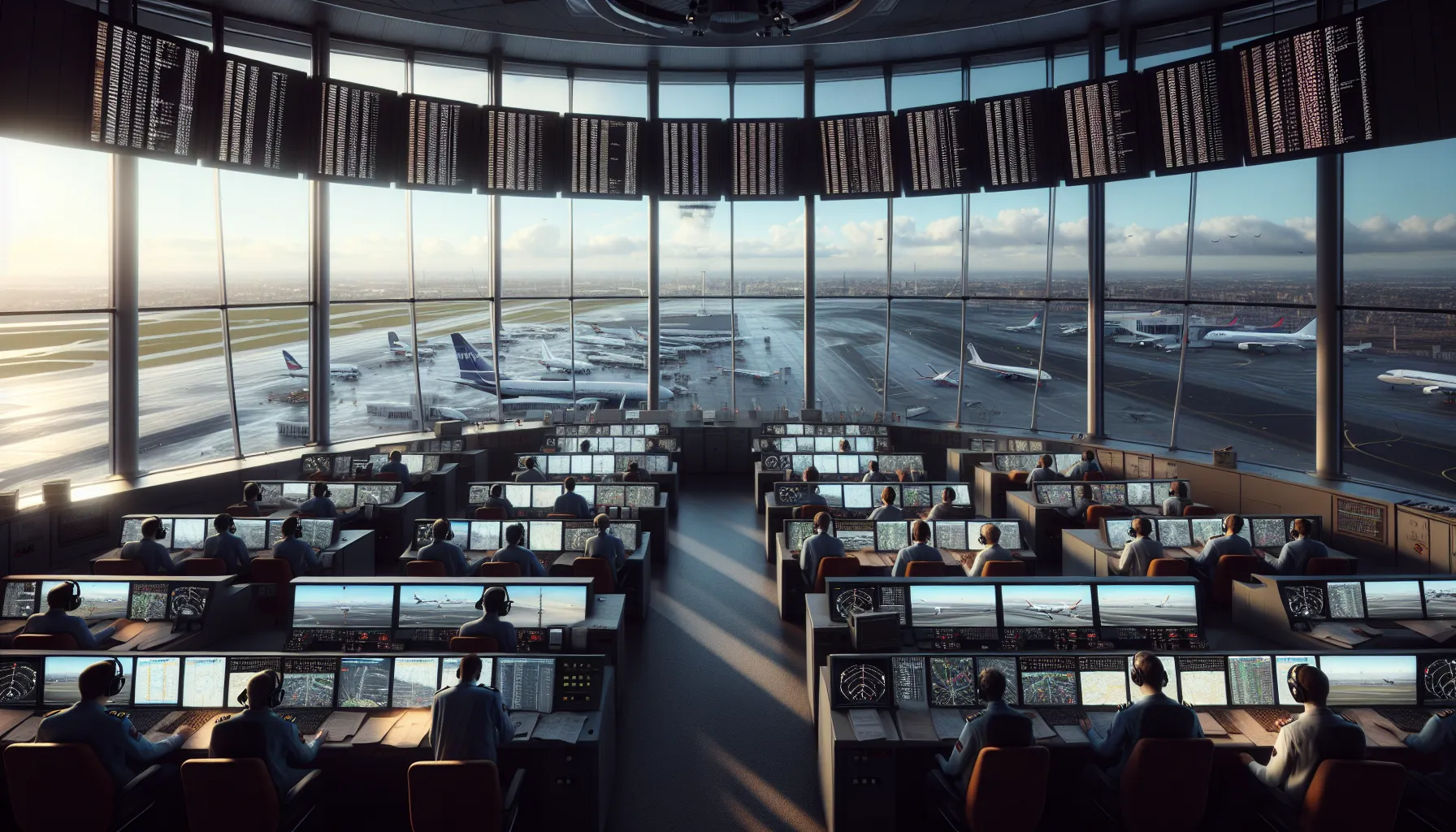
Aviation functions through interconnected systems and components to enable safe and efficient air travel. Below are several critical elements that form the backbone of this industry.
Aircraft Types
Aircraft types vary widely, serving different purposes across the aviation landscape. Commercial airliners, like the Boeing 737 and Airbus A320, transport passengers over short and long distances. Cargo planes, such as the Boeing 747-8F, are designed to carry goods globally. Military aircraft, including fighter jets and transport planes, support defense and tactical missions. General aviation encompasses private jets, helicopters, and small planes used for personal or business purposes. Each type plays an essential role in addressing diverse aviation demands.
Air Traffic Control Systems
Air traffic control (ATC) systems manage the flow of aircraft in the airspace and on the ground. Towers, radar systems, and communication technologies work together to track aircraft positions, ensuring safe distances between flights. Controllers provide pilots with directions for takeoffs, landings, and route adjustments, particularly during congested conditions. Systems like Automatic Dependent Surveillance-Broadcast (ADS-B) enhance real-time tracking, minimizing risks and improving efficiency in air navigation.
Aviation Regulations
Aviation regulations establish safety standards and operational protocols for the industry. These rules, enforced by bodies like the Federal Aviation Administration (FAA) in the US and the International Civil Aviation Organization (ICAO) globally, govern manufacturing, maintenance, and pilot training. Compliance ensures the safety of passengers, crew, and cargo while protecting the environment through emission and noise standards. Regulations evolve to address advancements in technology and emerging aviation challenges.
The Importance Of Aviation
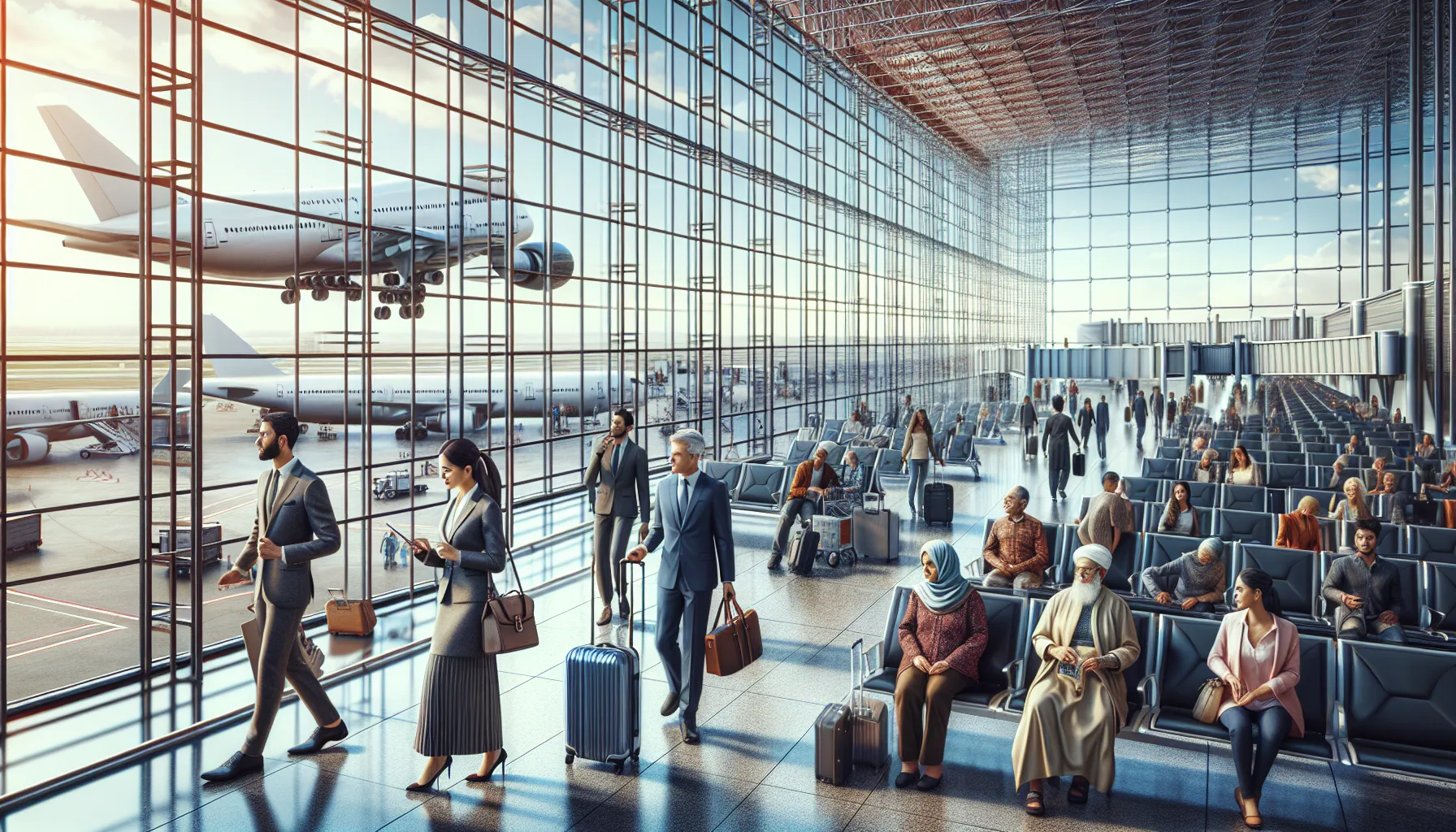
Aviation plays a crucial role in shaping the modern world. It drives economies, connects nations, and brings communities closer together.
Economic Impact
Aviation significantly contributes to economic growth by facilitating trade, creating jobs, and fostering tourism. According to the Air Transport Action Group (ATAG), the global aviation industry supports over 87 million jobs and contributes $3.5 trillion to the global GDP. Airports generate substantial revenue by hosting retail, food services, and rental businesses. Airlines rely on local suppliers, fueling jobs in service and maintenance sectors. Cargo transportation also provides quick access to resources and products, enabling businesses to expand internationally.
Global Connectivity
Aviation links countries and continents, promoting cultural exchange and global unity. Over 4.5 billion passengers traveled by air in 2019, according to ICAO, proving the essential role of flights in bridging geographic distances. Remote regions benefit from improved accessibility, reducing isolation and enhancing opportunities. Humanitarian missions rely on aviation for delivering aid quickly to disaster zones, saving lives. International organizations and businesses also depend on air travel for meetings, collaboration, and networking in today’s interconnected world.
Challenges In Aviation
Aviation faces numerous challenges that influence its operations and future development. From environmental impacts to safety concerns, these issues require constant innovation and adaptation.
Environmental Concerns
Aviation’s environmental impact is a significant challenge. Aircraft emit greenhouse gases, with CO2 from aviation accounting for roughly 2.5% of global emissions in 2019. Noise pollution from airports affects surrounding communities, while older aircraft engines contribute to air quality degradation.
Efforts to mitigate environmental damage are ongoing. Airlines explore sustainable aviation fuels (SAFs) and electric or hydrogen-powered planes. Advanced aerodynamics and lightweight materials aim to improve fuel efficiency. Regulatory bodies like the ICAO also develop environmental standards, including the Carbon Offsetting and Reduction Scheme for International Aviation (CORSIA), to reduce aviation’s carbon footprint.
Safety And Security Issues
Safety and security are critical focuses in aviation. Although air travel is statistically safer than many other modes of transport, risks such as mechanical failures, human errors, and adverse weather conditions pose potential threats.
Security risks, including terrorism and cyberattacks, add complexity. Cybersecurity is crucial to protect systems like air traffic control and onboard software. Passenger screening processes and stringent protocols safeguard travelers, yet these measures sometimes lead to operational delays.
Continuous improvements address these challenges. Advanced technologies like predictive maintenance and AI-based monitoring enhance safety. International organizations, including the FAA and ICAO, implement updated guidelines to adapt to evolving threats and ensure passenger and cargo security globally.
Conclusion
Aviation is more than just a means of transportation; it’s a testament to human ingenuity and our desire to connect with the world. It’s a dynamic industry that continues to evolve, shaping how we travel, trade, and interact across borders.
As we look to the future, aviation’s potential to innovate and address global challenges is inspiring. Whether it’s through cutting-edge technology or sustainable practices, the skies hold endless possibilities. It’s a world worth exploring, and I’m excited to see where it takes us next.
Frequently Asked Questions
What is the significance of aviation in daily life?
Aviation is essential as it connects people, goods, and cultures worldwide. It enables global travel, trade, and innovation, playing a critical role in economies and fostering community ties.
How has aviation evolved over time?
Aviation evolved from early flight attempts with kites and gliders to modern aircraft. Key milestones include the Wright brothers’ powered flight in 1903, the introduction of jet propulsion, and innovations like wide-body planes.
What are the main components of the aviation industry?
The aviation industry includes airports, airlines, air traffic control systems, regulatory agencies, and various aircraft types. These components work together to ensure safe, efficient air travel.
How does aviation contribute to the economy?
The aviation industry supports over 87 million jobs globally and contributes $3.5 trillion to the global GDP. It drives economic growth through passenger travel, cargo transport, and airport-generated revenues.
What environmental challenges does aviation face?
Aviation contributes to greenhouse gas emissions and noise pollution. Efforts to address these include the development of sustainable aviation fuels and advanced technologies for cleaner, quieter flights.
How safe is air travel?
Air travel is statistically one of the safest modes of transportation. However, the industry continuously addresses risks like mechanical failures and cybersecurity through updates in technology and safety guidelines.
What are some recent advancements in aviation?
Recent advancements include the development of supersonic jets, electric planes, and innovations in fuel efficiency. These technologies aim to improve sustainability and adapt to changing global needs.
What role do regulatory organizations play in aviation?
Regulatory organizations like the FAA and ICAO enforce safety standards, manage air traffic, and maintain operational efficiency to ensure the aviation industry’s smooth functioning.
How does aviation influence cultural exchange?
Aviation facilitates international travel, making it easier for people to explore new cultures, share ideas, and build global connections, thereby enriching cultural understanding and diversity.
What impact does aviation have on global business?
Aviation enhances global business opportunities by enabling quick and efficient cargo transportation, connecting markets, and supporting international trade and investment.