
Key Takeaways
- Dutch roll is an oscillatory motion combining yaw (side-to-side nose movement) and roll (wing tilting) that affects aircraft stability.
- It occurs due to the interaction of an aircraft’s directional and lateral stability, with high-aspect-ratio wings often amplifying the effect.
- Environmental factors, such as turbulence, crosswinds, and high-altitude conditions, can trigger or intensify Dutch roll behavior.
- Pilots rely on yaw dampers and autopilot systems to automatically manage Dutch roll, while manual corrections using rudder and aileron inputs serve as secondary methods.
- Recognizing and addressing Dutch roll oscillations are critical for safe flight operations, ensuring both passenger comfort and structural integrity.
- Aircraft engineers consider Dutch roll tendencies in design, optimizing stability through adjustments to tail configurations, rudders, and yaw damping systems.
When I first heard the term “Dutch roll,” I thought it sounded more like a pastry than something related to aviation. But in the world of flying, it’s actually a fascinating aerodynamic phenomenon that pilots need to understand. It’s one of those quirks of flight dynamics that combines both beauty and complexity.
A Dutch roll isn’t as tasty as it sounds, but it’s definitely interesting. It’s a type of oscillation that happens when an aircraft’s yaw and roll motions interact in a rhythmic, almost dance-like way. While it might look graceful from the outside, it can be a challenge to manage in certain situations. Understanding this motion is key for both pilot training and aircraft design.
So, what exactly causes a Dutch roll, and why does it matter? Let’s dive into this unique aspect of aviation and uncover what makes it so important for safe and efficient flying.
What Is A Dutch Roll In Aviation?
A Dutch roll in aviation refers to a combined oscillatory motion involving an aircraft’s yaw and roll axes. This phenomenon creates a repetitive side-to-side wagging motion of the nose, paired with a rolling motion of the wings. It occurs due to the interplay between an aircraft’s directional stability and lateral stability.
The yaw motion results from the aircraft’s tendency to return to its original path when disrupted, while the roll motion happens as the wings respond to this yaw. For instance, a commercial jet experiencing atmospheric disturbances like gusty winds might demonstrate a Dutch roll if not adequately dampened.
Aircraft with high aspect ratio wings, such as airliners, often exhibit more pronounced Dutch roll motions because of their larger wing spans and increased sensitivity to aerodynamic imbalances. Advanced autopilot systems in modern planes help counteract these oscillations, providing a smoother experience for passengers while assisting pilots in maintaining control.
Understanding Dutch rolls is essential for pilots, as they must identify and counteract such motions effectively. Aeronautical engineers also factor this tendency into designs, ensuring aircraft stability through tail design, rudder effectiveness, and yaw damper systems.
Causes Of A Dutch Roll
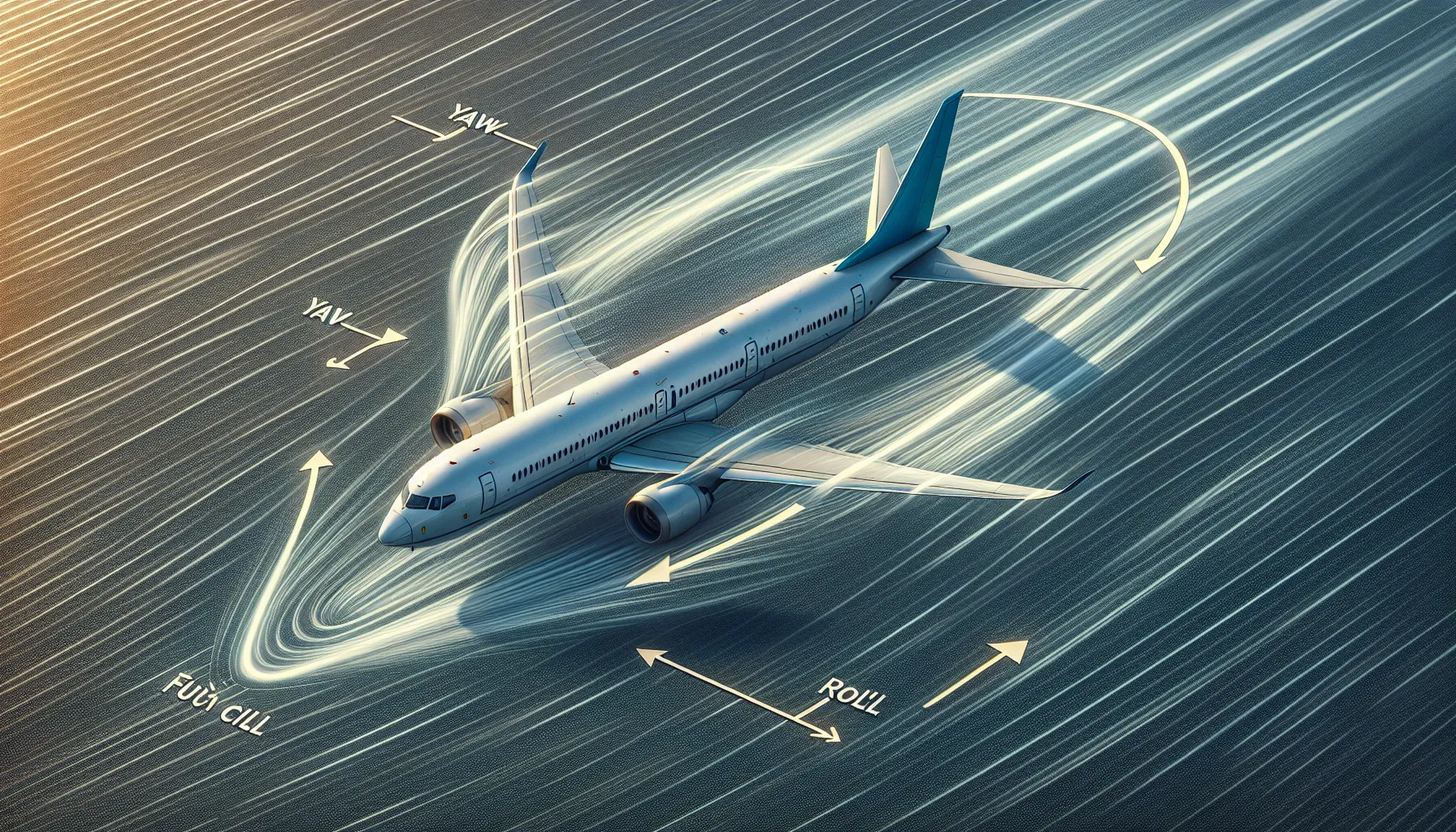
Dutch roll occurs due to a complex interaction of design characteristics and external environmental conditions. These factors determine how an aircraft reacts to aerodynamic disturbances.
Design Factors
Aircraft design significantly affects Dutch roll tendencies. High-aspect-ratio wings increase sensitivity. For instance, airliners with large wingspans often experience more pronounced oscillations. A small or less effective vertical stabilizer reduces directional stability, intensifying yaw movements. Similarly, insufficient rudder authority limits a pilot’s ability to counteract yaw during oscillations. Engineers often incorporate yaw dampers to mitigate these effects by stabilizing yaw automatically.
Environmental Influences
Environmental conditions amplify or initiate Dutch roll. Turbulence from gusty winds or jet streams disrupts the balance between yaw and roll axes. Crosswinds during takeoff or landing further contribute to directional instability. At high altitudes, reduced air density weakens aerodynamic damping, allowing oscillations to persist unless controlled. Recognizing these environmental triggers is crucial for effective flight management and maintaining stability.
Recognizing A Dutch Roll During Flight
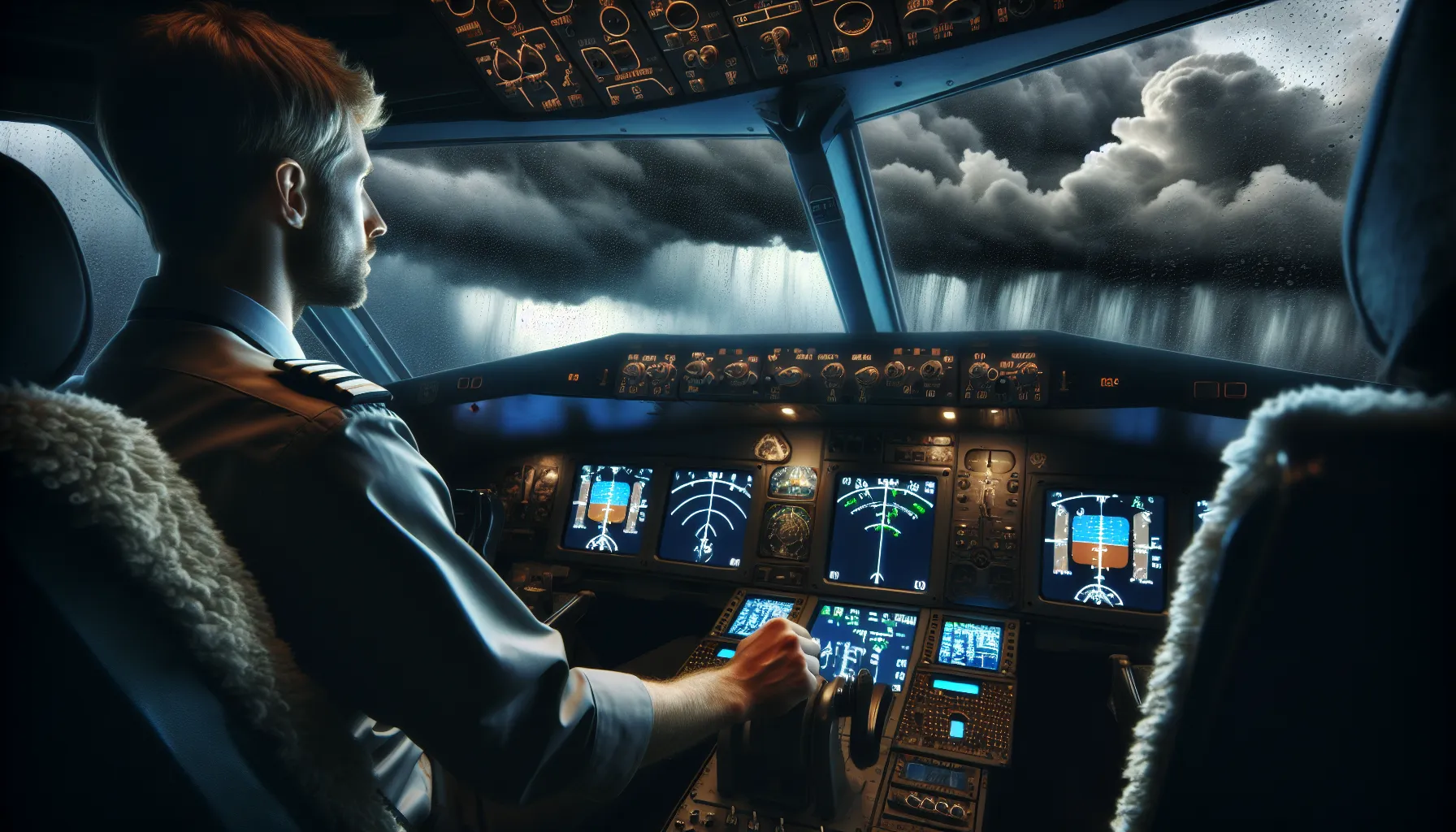
Recognizing a Dutch roll involves identifying the characteristic oscillatory movements of an aircraft’s nose and wings. This motion typically alternates between a yawing side-to-side movement of the nose and a rolling side-to-side tilt of the wings. These oscillations can vary in intensity, depending on the aircraft’s design and external conditions.
Unusual lateral and directional movements often indicate a Dutch roll. For instance, the nose might sway rhythmically side to side, while the wings alternately drop and rise. If these movements occur in smooth, repetitive cycles, it’s likely a Dutch roll.
Environmental cues, such as turbulence or crosswinds, often accompany Dutch roll behavior. Aircraft flying through gusty winds or experiencing sudden lateral disturbances are prone to this motion. High-altitude flights may also encounter more pronounced instances due to thinner air and reduced stabilizing effects.
Instrument readings help confirm the presence of a Dutch roll. Yaw rate indicators and roll indicators, usually visible on cockpit displays, can reveal oscillatory motion. Pilots trained to read these instruments can quickly detect Dutch roll patterns even when visual confirmation might be challenging.
How Pilots Manage And Correct A Dutch Roll
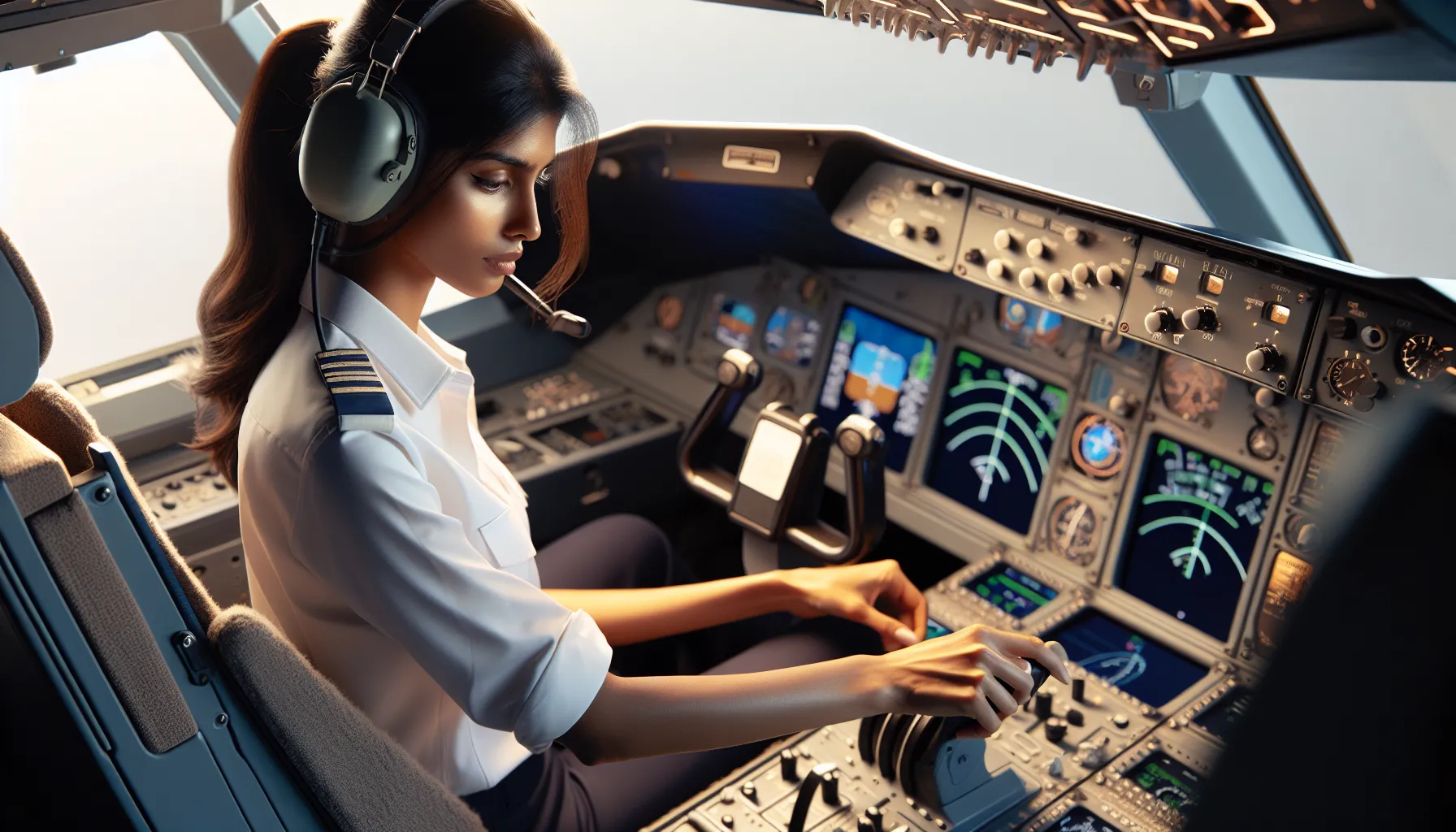
Managing a Dutch roll involves using both automation and manual techniques to stabilize the aircraft. Pilots rely on modern technology as well as training to address this motion effectively and maintain control.
Automation And Flight Control Systems
Advanced flight control systems help dampen Dutch roll oscillations automatically. Many aircraft are equipped with yaw dampers, which mitigate side-to-side nose movements by applying precise rudder inputs. These systems constantly monitor yaw rates and automatically intervene, reducing oscillation intensity without requiring pilot input. Autopilot systems work in conjunction with yaw dampers, stabilizing both yaw and roll axes to ensure smooth flight, especially in turbulence or crosswind conditions. For instance, the autopilot in a commercial airliner adjusts control surfaces dynamically to counteract aerodynamic disturbances.
Manual Corrections And Training
In situations where automation doesn’t fully address a Dutch roll or during specific training scenarios, pilots use manual correction techniques. Applying coordinated rudder and aileron inputs counters the oscillations by stabilizing yaw and roll movements. For example, I monitor instruments like the yaw rate indicator and make subtle adjustments to the rudder pedals and control yoke based on real-time feedback. Flight training programs emphasize recognizing and correcting Dutch rolls manually, ensuring pilots master these techniques. Regular simulator sessions focus on recreating such scenarios, helping me practice effective responses to maintain stability and passenger comfort.
Importance Of Understanding Dutch Rolls In Aviation
Understanding Dutch rolls is essential for ensuring safe and efficient flight operations. This aerodynamic phenomenon directly impacts flight stability, requiring pilots to recognize it quickly to maintain control. Mismanaging Dutch roll oscillations can lead to uncomfortable flying conditions for passengers and increased strain on the aircraft’s structure. For example, undampened Dutch rolls during turbulence can escalate and create challenges for pilots if not addressed promptly.
Knowledge of Dutch rolls enables pilots to use automated systems like yaw dampers more effectively, enhancing stability and comfort. While these systems often manage oscillations automatically, pilots need to know their limitations and be prepared to intervene manually when necessary. Simulator training focused on Dutch roll scenarios ensures pilots are equipped to handle these events confidently in real flight conditions.
For aircraft designers, understanding Dutch roll behavior is crucial to improving airframe stability. Design adjustments such as optimizing vertical stabilizers, refining rudder response, and enhancing yaw damper efficiency all stem from thoroughly studying this aerodynamic interaction. By addressing Dutch roll dynamics during the design phase, engineers contribute to safer, more reliable commercial and private aircraft.
Conclusion
Dutch rolls might seem like a complex topic, but they’re a key part of understanding flight dynamics. For pilots, recognizing and managing these oscillations is an essential skill that ensures smooth and safe operations. For engineers, it’s a design challenge that directly impacts aircraft stability and passenger comfort.
By combining technology like yaw dampers with proper training, we’ve come a long way in addressing Dutch rolls effectively. It’s fascinating how much goes into keeping flights stable and comfortable, and understanding phenomena like this highlights just how intricate aviation really is.
Frequently Asked Questions
What is a Dutch roll in aviation?
A Dutch roll is an oscillatory motion in aviation that involves a combination of yaw (side-to-side motion of the nose) and roll (tilting of the wings). This motion occurs due to the interaction between an aircraft’s directional and lateral stability, leading to a side-to-side swaying motion and wing tilts.
What causes a Dutch roll?
A Dutch roll is caused by the combined effects of aerodynamic design characteristics (e.g., high-aspect-ratio wings) and environmental conditions like turbulence or crosswinds. The interaction between directional stability and lateral stability amplifies these oscillations if not controlled.
How do pilots recognize a Dutch roll?
Pilots recognize a Dutch roll by observing oscillatory movements of the aircraft, such as side-to-side wagging of the nose and rolling motion of the wings. Cockpit instruments like yaw rate and roll indicators confirm this motion, especially in poor visibility.
How is a Dutch roll corrected during flight?
A Dutch roll is corrected using automated systems like yaw dampers that manage nose movements or autopilot systems that stabilize yaw and roll axes. Pilots may also manually apply coordinated rudder and aileron inputs if automation is insufficient.
Why is understanding Dutch rolls important for pilots?
Understanding Dutch rolls is vital because it helps pilots maintain stability during turbulence or environmental disturbances. Quick recognition and correction of these oscillations ensure passenger comfort, structural safety, and efficient flight operations.
Do all aircraft experience Dutch rolls?
Most aircraft can experience Dutch rolls, but the severity varies. Aircraft with high-aspect-ratio wings, such as commercial jets, are more prone due to their increased sensitivity to aerodynamic imbalances.
How do yaw dampers prevent Dutch rolls?
Yaw dampers automate rudder inputs to counteract side-to-side nose movements, reducing Dutch roll intensity. By constantly adjusting for yaw rates, yaw dampers maintain stability without requiring pilot intervention.
Can manual techniques effectively manage a Dutch roll?
Yes, pilots can manually manage a Dutch roll by using coordinated rudder and aileron inputs. However, this requires skill and training to ensure stability, especially in challenging conditions like turbulence.
How does aircraft design influence Dutch roll tendencies?
Aircraft with high-aspect-ratio wings, larger vertical stabilizers, and effective rudders show reduced Dutch roll tendencies. Designers incorporate these features and yaw dampers to improve overall stability.
Is simulator training important for handling Dutch rolls?
Yes, simulator training is crucial for helping pilots practice recognizing and correcting Dutch rolls. Simulated scenarios prepare pilots to respond effectively in real flights, ensuring passenger safety and flight stability.