Key Takeaways
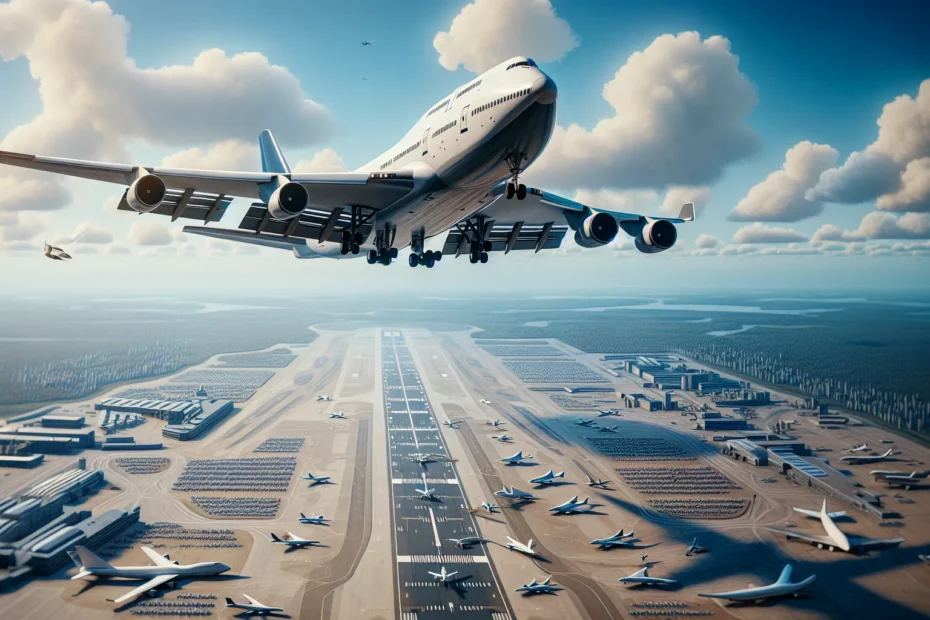
- “Heavy” in aviation refers to aircraft with a maximum takeoff weight (MTOW) of 300,000 pounds or more. This classification is essential for safety and air traffic control due to the wake turbulence they create.
- Wake turbulence is a key concern with heavy aircraft. It involves swirling air currents that can compromise the stability of smaller planes flying nearby, requiring strict separation standards.
- Pilots include “heavy” in call signs during communications to alert air traffic controllers and nearby pilots. This helps manage spacing and ensures safer navigation in congested airspace.
- Examples of heavy aircraft include Boeing 747, Airbus A330, and larger Boeing 777 variants. These wide-body jets are designed for long-haul flights and contribute to their classification.
- Runway and infrastructure requirements are greater for heavy aircraft. Airports accommodating such planes need longer, reinforced runways to handle their size and weight.
- The term “heavy” enhances overall airspace safety and situational awareness. It plays a critical role in preventing turbulence-related incidents and maintaining smooth air traffic operations.
When I first heard the word “heavy” in aviation, I thought it just referred to the size or weight of an aircraft. Turns out, it’s a lot more specific than that. If you’ve ever been curious about why pilots use this term during communication, you’re not alone—it’s something that stands out to many of us who aren’t in the cockpit.
In aviation, words aren’t thrown around casually, especially when safety’s on the line. “Heavy” has a particular meaning tied to air traffic control and how large aircraft interact with their surroundings. It’s a term that plays a crucial role in keeping the skies safe and organized. Whether you’re an aviation enthusiast or just someone who loves learning new things, understanding what “heavy” means can give you a little more insight into the fascinating world of flying.
Understanding The Term “Heavy” In Aviation
In aviation, “heavy” refers to aircraft with a maximum takeoff weight (MTOW) of 300,000 pounds or more. This designation is crucial for air traffic control and safety due to the significant wake turbulence these large aircraft create. Wake turbulence includes the swirling air currents generated by an aircraft’s wings during flight.
Controllers use the term “heavy” as part of radio communication to identify these planes. For example, when a Boeing 747 is cleared for landing, the phrase might include “Heavy” to alert nearby pilots to exercise caution. This prevents smaller aircraft from encountering turbulence that could compromise flight stability.
The Federal Aviation Administration (FAA) categorizes planes as small, large, or heavy based on MTOW to standardize communication among pilots and controllers. Aircraft like the Airbus A380 and Boeing 777 fall under the “heavy” classification, whereas smaller jets or regional planes do not.
Using “heavy” in call signs helps ensure safer operations in busy airspace. By identifying large aircraft, air traffic controllers can manage spacing requirements effectively, preventing situations where turbulence might endanger others.
Significance Of “Heavy” For Aircraft
The term “heavy” in aviation plays an essential role in ensuring safety and effective airspace management. It pertains to both aircraft classification and specific communication procedures.
Aircraft Weight Classification
Aircraft labeled as “heavy” have an MTOW of 300,000 pounds or more. These include models like the Boeing 747, Airbus A340, and larger variants of the Boeing 777. The Federal Aviation Administration (FAA) uses this classification to distinguish aircraft creating significant wake turbulence during flight. Wake turbulence consists of strong air currents generated by large engines and wings, which can severely affect smaller planes flying nearby.
Communication In Air Traffic Control
Pilots of “heavy” aircraft include this designation during radio transmissions with air traffic control. For example, “United 123 Heavy” alerts controllers and other nearby pilots to the potential impact of wake turbulence. This communication standard ensures smaller aircraft maintain a safe distance from larger planes, reducing risks during departures, arrivals, and en route operations. Controllers prioritize this designation to streamline traffic flow and enhance safety in congested airspace.
Criteria For Designating An Aircraft As “Heavy”
In aviation, the term “heavy” isn’t arbitrary but depends on specific criteria. Aircraft classification revolves around weight limits and operational safety.
Weight Thresholds Defined By ICAO
The International Civil Aviation Organization (ICAO) sets thresholds to categorize aircraft by weight. An aircraft qualifies as “heavy” if its maximum takeoff weight (MTOW) reaches or exceeds 300,000 pounds (136,000 kilograms), regardless of its actual takeoff weight during a specific flight. This standard ensures consistency in air traffic communication globally and helps mitigate risks related to wake turbulence.
Examples Of “Heavy” Aircraft
Many wide-body jets fall into the “heavy” category. For instance, the Boeing 747, Airbus A340, and larger variants of the Boeing 777 and Airbus A330 are notable examples. These aircraft are designed for long-haul flights and carry sizable fuel loads, passengers, or cargo, contributing to their significant MTOW. Identifying them as “heavy” during radio communications improves situational awareness and minimizes turbulence-related incidents in shared airspace.
Impact Of Heavy Aircraft On Air Traffic
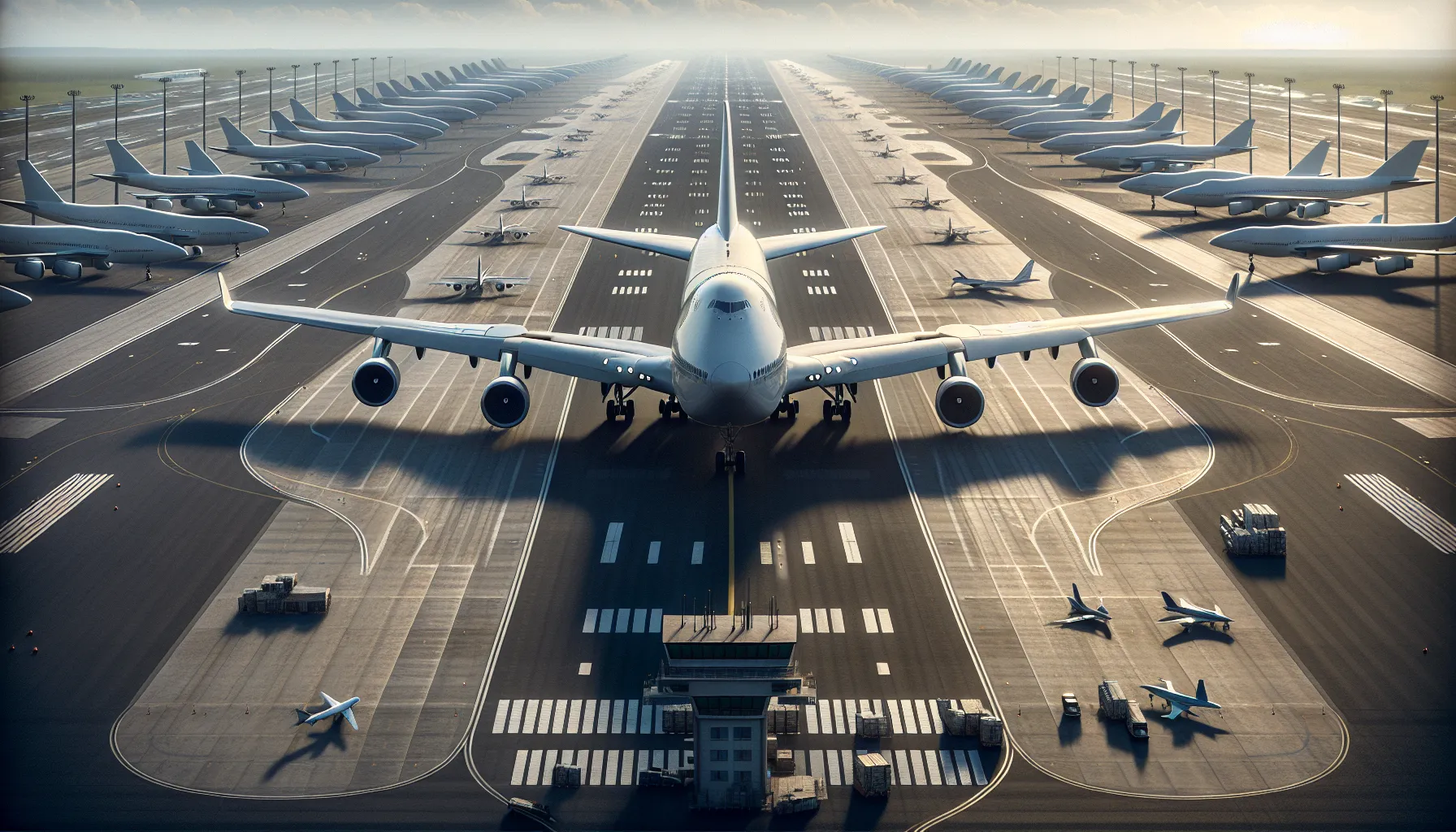
Heavy aircraft significantly affect air traffic due to their size, weight, and operational requirements. These impacts influence safety regulations, airspace management, and airport infrastructure.
Wake Turbulence And Separation Standards
Wake turbulence generated by heavy aircraft creates a significant challenge for air traffic controllers. These large planes produce strong vortices at their wingtips, which can endanger smaller aircraft flying behind them. To prevent incidents, controllers mandate minimum separation distances between planes. For instance, a small aircraft following a heavy jet requires at least 5 nautical miles of spacing to avoid turbulence risks. This increased separation can reduce airspace capacity, especially in busy terminal areas, impacting overall traffic flow.
Runway Requirements And Limitations
Heavy aircraft require longer and more robust runways due to their high landing weights and takeoff speeds. For example, a fully loaded Boeing 747 may require a runway length of up to 11,000 feet for safe operations. Airports catering to heavy planes must also reinforce runway surfaces to handle the stress from higher pavement loads. These infrastructure demands can limit which airports can accommodate heavy aircraft, influencing route planning and operational flexibility in congested airspaces.
Use Of “Heavy” In Pilots’ Communication
The term “heavy” plays a key role in aviation communication, particularly during radio transmissions between pilots and air traffic controllers. Its usage ensures clarity and safety, especially in busy airspaces.
Call Sign Usage During Takeoff And Landing
Pilots include “heavy” in their call signs during takeoff and landing to signal their aircraft’s size and wake turbulence potential. For example, a pilot flying a Boeing 777 might identify their flight as “Delta 456 Heavy” when contacting air traffic control. This alerts controllers to assign adequate separation distances between the heavy aircraft and others nearby, reducing wake turbulence risk. Both during ascent and final approach, the clear inclusion of “heavy” in call signs helps streamline communication and minimizes misunderstandings.
Enhancing Safety And Awareness
Using “heavy” in communications enhances situational awareness for both controllers and pilots. Aircraft operating in shared airspace, especially smaller ones, receive necessary warnings about turbulence zones created by heavy jets. With this information, air traffic controllers manage runway use and sequencing, while pilots can adjust speeds or altitudes to maintain safety. This efficient exchange supports smoother airspace operations and reduces turbulence-related incidents in crowded skies.
Conclusion
Understanding the term “heavy” in aviation opens up a fascinating glimpse into how safety and precision are prioritized in the skies. It’s more than just a label; it’s a critical part of ensuring smooth communication and safe operations in busy airspace. The next time you hear a pilot use “heavy” in their call sign, you’ll know it’s not just about size but about maintaining safety for everyone sharing the skies.
Frequently Asked Questions
What does “heavy” mean in aviation?
In aviation, “heavy” refers to aircraft with a maximum takeoff weight (MTOW) of 300,000 pounds or more. This designation is essential for safety, as these larger aircraft generate significant wake turbulence, requiring special handling by pilots and air traffic controllers.
Why do pilots say “heavy” in radio communication?
Pilots include “heavy” in their call signs (e.g., “United 123 Heavy”) to inform air traffic control and nearby pilots about the aircraft’s size and wake turbulence potential. This ensures safer separation distances and prevents turbulence-related issues.
What types of planes are classified as “heavy”?
Aircraft such as the Boeing 747, Airbus A340, Boeing 777, and larger Airbus A330 variants are classified as “heavy.” These wide-body jets meet the heavy classification with an MTOW of 300,000 pounds or more.
Why is wake turbulence a concern for heavy aircraft?
Heavy aircraft generate powerful wake turbulence, which can destabilize smaller planes flying nearby. To mitigate this risk, air traffic controllers enforce minimum separation distances between heavy aircraft and others.
How does the “heavy” designation affect air traffic management?
The “heavy” designation requires controllers to create wider separation between flights, which can impact airspace capacity. Airports also need longer, reinforced runways to accommodate the weight and speed of heavy aircraft.
Who defines the “heavy” classification standard?
The “heavy” classification is defined by the International Civil Aviation Organization (ICAO) based on an aircraft’s MTOW of 300,000 pounds or more. This ensures consistent communication and safety procedures globally.
How long do heavy aircraft need for takeoff or landing?
Heavy aircraft often require extended runways, sometimes up to 11,000 feet, to safely take off or land due to their size, weight, and operational needs.
What is the impact of “heavy” aircraft on airports?
Airports accommodating heavy planes need reinforced runways and infrastructure to handle higher pavement loads. This can restrict operational flexibility and influence route planning in busy airspaces.
Are “heavy” aircraft only used for long-haul flights?
Yes, most heavy aircraft, like the Boeing 747 or Airbus A340, are designed for long-haul flights. Their size allows them to carry significant fuel, passengers, or cargo across extended distances efficiently.
Does the “heavy” designation improve safety?
Absolutely. The “heavy” designation enhances safety by alerting controllers and pilots to potential wake turbulence, ensuring sufficient spacing between aircraft, and streamlining communication in crowded airspaces.