
Key Takeaways
- Aviation mechanics earn competitive salaries, with a national average of around $69,000 annually or $33 per hour as of 2023.
- Experience, certifications, and location significantly influence pay. Entry-level mechanics earn $45,000-$55,000 annually, while senior mechanics with advanced certifications can exceed $100,000.
- Employers play a significant role in determining salaries and benefits. Airlines often offer the highest salaries along with perks like free travel and comprehensive benefits; government or military jobs provide stability but slightly lower pay.
- Certifications boost earning potential. Holding an Airframe and Powerplant (A&P) license or specialized credentials can raise salaries to $75,000 or more annually.
- Regional demand and cost of living impact wages. States like Alaska, California, and Hawaii offer higher-than-average salaries due to demand and living expenses.
- Additional perks and compensation enhance earnings. Bonuses, overtime opportunities, and non-financial benefits like discounted flights and healthcare plans contribute to the profession’s attractiveness.
When I think about aviation mechanics, I picture the unsung heroes who keep planes soaring safely through the skies. It’s a job that demands precision, skill, and a deep understanding of complex machinery. But let’s be honest—one of the big questions people have is, how much do they actually make?
Whether you’re considering a career in aviation or just curious about the industry, understanding the earning potential of an aviation mechanic is key. Salaries can vary depending on experience, certifications, and even location, but one thing’s for sure—it’s a profession that offers solid financial rewards along with the satisfaction of working on some incredible machines. Let’s dive into what this career can bring to the table.
Overview Of Aviation Mechanic Salaries
Aviation mechanic salaries depend on multiple factors, making it a dynamic field for earnings. The national average salary for aviation mechanics in the US, according to the Bureau of Labor Statistics (BLS), stands at approximately $69,000 annually as of 2023. Hourly rates average around $33 per hour.
Experience and certifications play significant roles in determining salaries. Entry-level mechanics typically earn between $45,000 and $55,000 annually, while those with advanced certifications like the Airframe and Powerplant (A&P) license can make upwards of $75,000 per year. Senior mechanics, especially those working for major airlines or aerospace firms, can earn over $100,000 annually.
Location also influences pay rates. States like Alaska, Hawaii, and California offer some of the highest average salaries, often exceeding $80,000, due to high demand and cost of living. In contrast, states with lower living expenses may offer slightly lower wages but maintain competitive pay relative to other industries.
Employers impact earnings and benefits significantly. Airline companies typically pay higher salaries and offer additional perks like free travel and comprehensive benefits packages. Mechanics in military or government roles often benefit from job stability and retirement plans, though salaries may align with mid-range industry averages. Independent repair shops or smaller aviation businesses might offer less predictable income but provide valuable hands-on experience.
Factors Influencing Aviation Mechanic Salaries
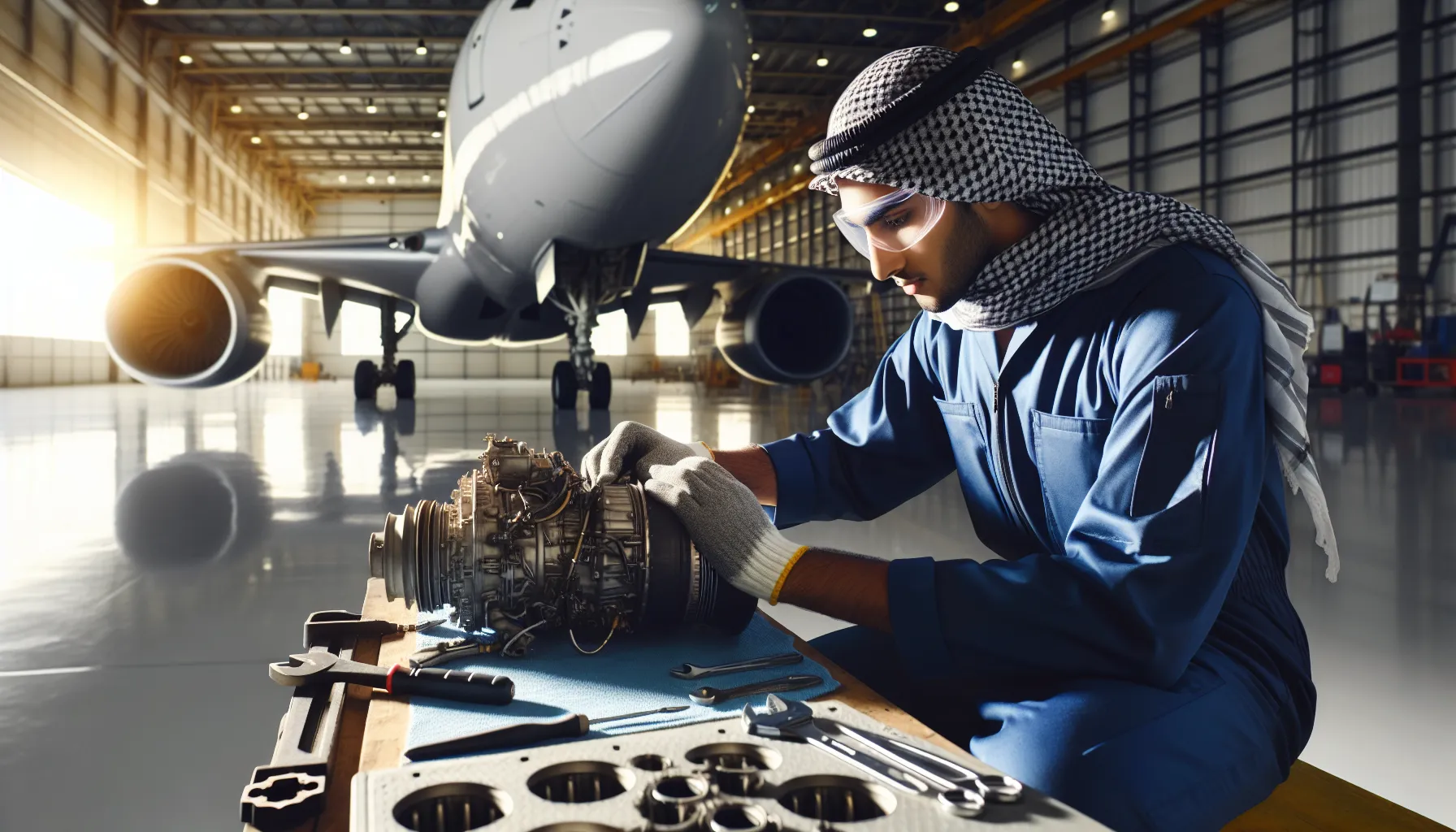
Several elements determine how much aviation mechanics earn. Understanding these factors offers insights into salary variations across the industry.
Experience And Skill Level
Experience plays the largest role in salary determination. For example, entry-level mechanics typically earn $45,000 to $55,000 annually. Those with 5-10 years of experience often see an increase to $70,000 or higher. Highly skilled senior mechanics at major airlines or aerospace firms can earn over $100,000. Specialized skill sets, like avionics repair or turbine engine maintenance, also enhance earning potential.
Location
Geographic location impacts earnings due to regional demand and living costs. States like California, Alaska, and Hawaii offer salaries above the national average of $69,000, as do cities with major airline hubs. Mechanics in less demanding areas or rural regions generally earn less. The cost of living directly influences salary adjustments in competitive markets.
Type Of Employer
Employers directly influence pay scales and benefits. Airlines provide some of the highest salaries, with additional perks like travel benefits and retirement plans. Aerospace manufacturers and government contractors offer competitive salaries and stability. Independent repair shops usually provide lower pay but opportunities to gain diverse hands-on experience.
Certifications And Specializations
Advanced certifications significantly boost earnings for aviation mechanics. The Airframe and Powerplant (A&P) license is essential, often raising salaries to $75,000 or more. Specialized credentials in areas like avionics, composite materials, or non-destructive testing further increase earning potential. Employers value candidates with certifications as they demonstrate advanced expertise and reliability.
Average Salary For Aviation Mechanics

Aviation mechanics earn competitive salaries, with pay influenced by experience, certifications, and location. Here’s a breakdown of earnings based on career stages.
Entry-Level Salaries
Entry-level aviation mechanics generally earn between $45,000 and $55,000 annually. For hourly rates, this equates to $21 to $26 per hour. Those starting at independent repair shops typically earn on the lower end but gain valuable experience. Mechanics with an Airframe and Powerplant (A&P) license often command higher starting salaries due to their broader qualifications.
Mid-Career Salaries
Mid-career aviation mechanics, with 5-10 years of experience, earn around $60,000 to $80,000 annually. Hourly rates fall between $29 and $38. Mid-level positions often bring additional responsibilities, including supervisory roles or specialized projects. Working for larger employers, like airlines or aerospace companies, often provides higher pay and better benefits.
Experienced Mechanics And Senior Positions
Experienced mechanics or those in senior positions typically earn over $90,000 annually, with some exceeding $100,000. Hourly rates for these roles can go beyond $45. Senior roles often include positions like lead mechanics, shop managers, or those specializing in high-demand areas such as turbine engines or avionics systems. Major airlines and advanced aerospace firms often offer these lucrative salaries.
Industry Comparison
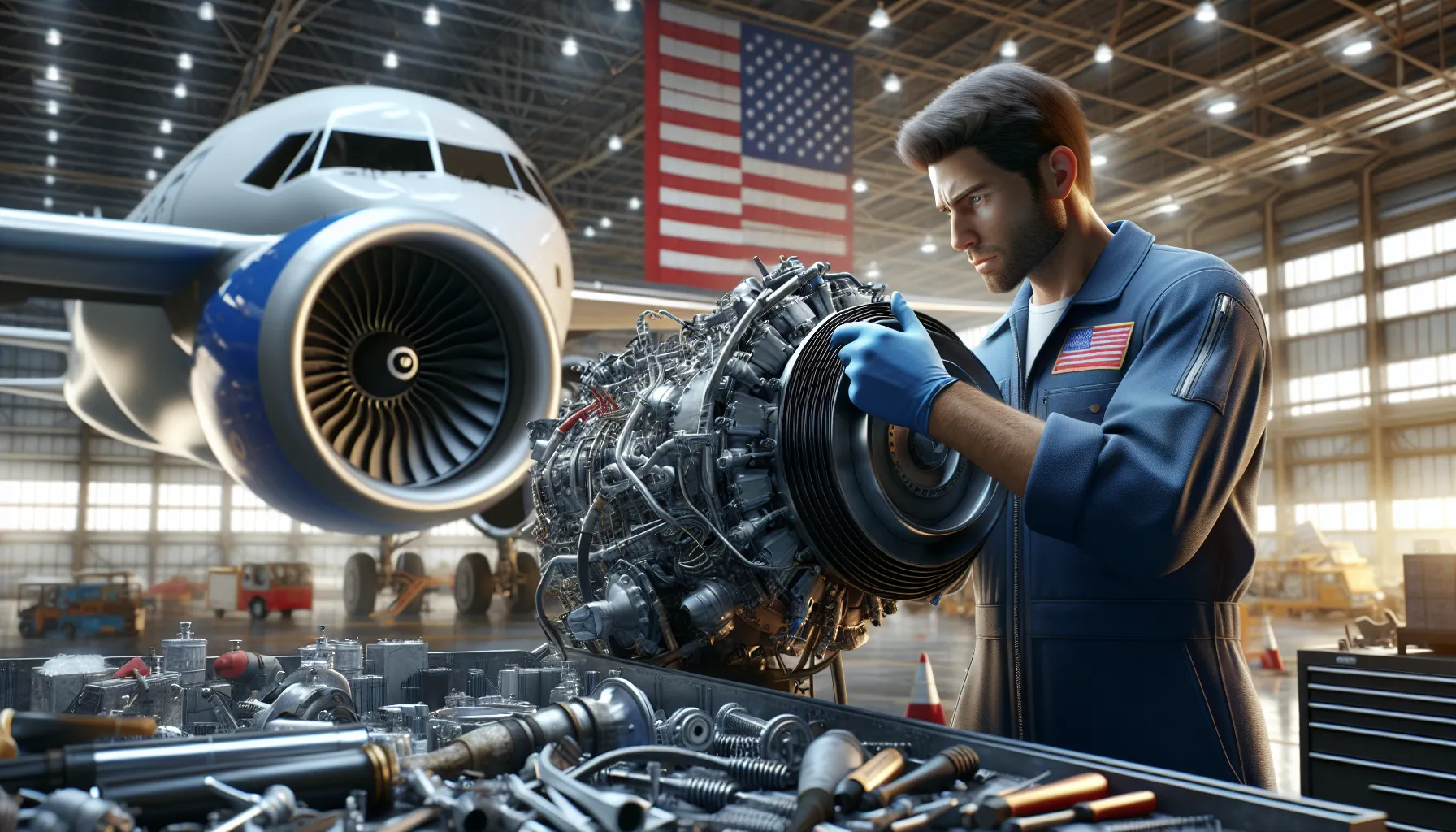
Aviation mechanic salaries can vary significantly across different industry sectors. Comparing pay in private versus public sectors and commercial versus general aviation highlights these differences.
Private Sector Vs Public Sector
Mechanics in the private sector usually earn higher salaries than their counterparts in the public sector. Private companies, such as major airlines or aerospace manufacturers, often offer annual salaries ranging from $70,000 to over $100,000 for experienced mechanics. They provide additional benefits like bonuses, overtime opportunities, and comprehensive insurance packages.
In the public sector, jobs with government agencies like the FAA or military maintenance divisions often pay slightly less, typically between $55,000 and $85,000 annually. However, these positions offer better job stability, pensions, and robust healthcare benefits, making them attractive to many.
Commercial Aviation Vs General Aviation
Commercial aviation mechanics, including those working for airlines or large maintenance organizations, often earn higher wages. Average salaries in this sector range from $65,000 to $95,000 annually, reflecting the increased demand and responsibility in maintaining larger fleets of aircraft. Advanced certifications, like an A&P license, are often a requirement and lead to competitive pay rates.
General aviation focuses on smaller planes, including private or charter aircraft. Mechanics in this field typically earn between $50,000 and $75,000 annually. While pay is lower, roles in general aviation can offer a more varied workload and flexibility if mechanics prefer smaller operations or private clients.
Benefits And Other Compensation
Aviation mechanics don’t just earn a salary; they also receive additional compensation that enhances their overall earnings. Employers often provide various financial and non-financial benefits to attract and retain skilled mechanics.
Bonuses And Incentives
Many aviation mechanics receive performance-based bonuses, depending on their employer. Airlines, for instance, often reward mechanics for meeting efficiency or safety goals. Retention bonuses are common in high-demand markets, offering extra payouts to mechanics who stay with an employer for a set time. Mechanics at aerospace firms may also earn annual incentives tied to company profitability.
Overtime Pay
Overtime opportunities can significantly boost an aviation mechanic’s income. Mechanics regularly work beyond standard hours during busy travel seasons, emergencies, or maintenance overhauls. Federal labor laws ensure overtime pay, calculated at 1.5 times the regular hourly wage. For example, a mechanic earning $35 per hour could make $52.50 for each overtime hour worked, adding thousands annually.
Additional Perks
Beyond wages, aviation mechanics benefit from employer-provided perks. Many airlines offer free or discounted flight tickets for employees and their immediate families. Health insurance, retirement plans, and tuition reimbursement for certifications are often standard in this field. Access to advanced tools, state-of-the-art facilities, and opportunities for career growth with specialized training are other valuable perks mechanics enjoy.
Conclusion
Being an aviation mechanic offers a rewarding blend of financial stability and career satisfaction. It’s a profession that values skill, precision, and dedication while providing opportunities for growth and advancement. Whether you’re just starting or have years of experience, there’s plenty of potential to increase your earnings and enjoy additional perks along the way. If you’re passionate about aviation and love working with cutting-edge machinery, this career path might be the perfect fit for you.
Frequently Asked Questions
What does an aviation mechanic do?
Aviation mechanics inspect, repair, and maintain aircraft to ensure safety and functionality. They work on components such as engines, hydraulic systems, and avionics, ensuring compliance with strict safety guidelines.
How much do aviation mechanics earn annually?
On average, aviation mechanics in the US earn about $69,000 per year. Entry-level salaries range from $45,000 to $55,000 annually, while experienced mechanics can make over $90,000, depending on certifications and location.
What factors influence aviation mechanic salaries?
Salaries depend on factors such as experience, certifications (like an A&P license), geographic location, and employer type (e.g., airlines vs. independent shops).
Where do aviation mechanics earn the highest salaries?
States like California, Alaska, and Hawaii generally offer salaries above the national average due to high demand and cost of living. Major airlines and aerospace manufacturers are also known for competitive pay.
How can certifications impact an aviation mechanic’s salary?
Certifications like the Airframe and Powerplant (A&P) license or specialized training significantly boost earning potential, as employers highly value mechanics with advanced skills.
Which sectors offer the best salaries for aviation mechanics?
The private sector, particularly major airlines and aerospace manufacturers, offers higher wages (up to $100,000+ annually) compared to government or public sector jobs, which focus more on stability.
Do aviation mechanics receive additional compensation?
Yes, many aviation mechanics receive bonuses for performance and retention, overtime pay, and valuable perks like flight discounts, health insurance, and retirement plans.
Are there opportunities for overtime in aviation mechanics?
Yes, especially during peak seasons or emergencies. Federal laws ensure mechanics are compensated for overtime, which can significantly increase their overall earnings.
Is being an aviation mechanic a good career choice?
Yes, being an aviation mechanic is financially rewarding and fulfilling for those passionate about aviation. It offers competitive pay, excellent benefits, and opportunities for career growth.
How can I start a career as an aviation mechanic?
To start, you’ll need training from an FAA-approved aviation maintenance school. Earning certifications like the Airframe and Powerplant (A&P) license is crucial for increasing employability and earning potential.